Call to Action for the Future of Volunteering
Nearly 14,000 voices. 164 countries. One shared message.
Volunteering must be recognized, supported, and protected.

Download
the Call to Action

Join
the Movement
Whether through formal organizations or everyday helping activities, volunteers are the backbone of communities everywhere and an essential force in sustainable development.
There are many forms of volunteering but at its core, volunteering is defined as a wide range of activities undertaken out of free will, for the general public good and where monetary reward is not the principal motivating factor.
Volunteers are in every community, at every moment of need. The Universal Declaration on Volunteering in 2001 described volunteers as fundamental building blocks of community and civic life. They are the first responders during disasters, the hands behind food banks, the voices leading campaigns, and the neighbors lending a hand when it’s needed the most. They help build stronger, more connected, and more inclusive communities.
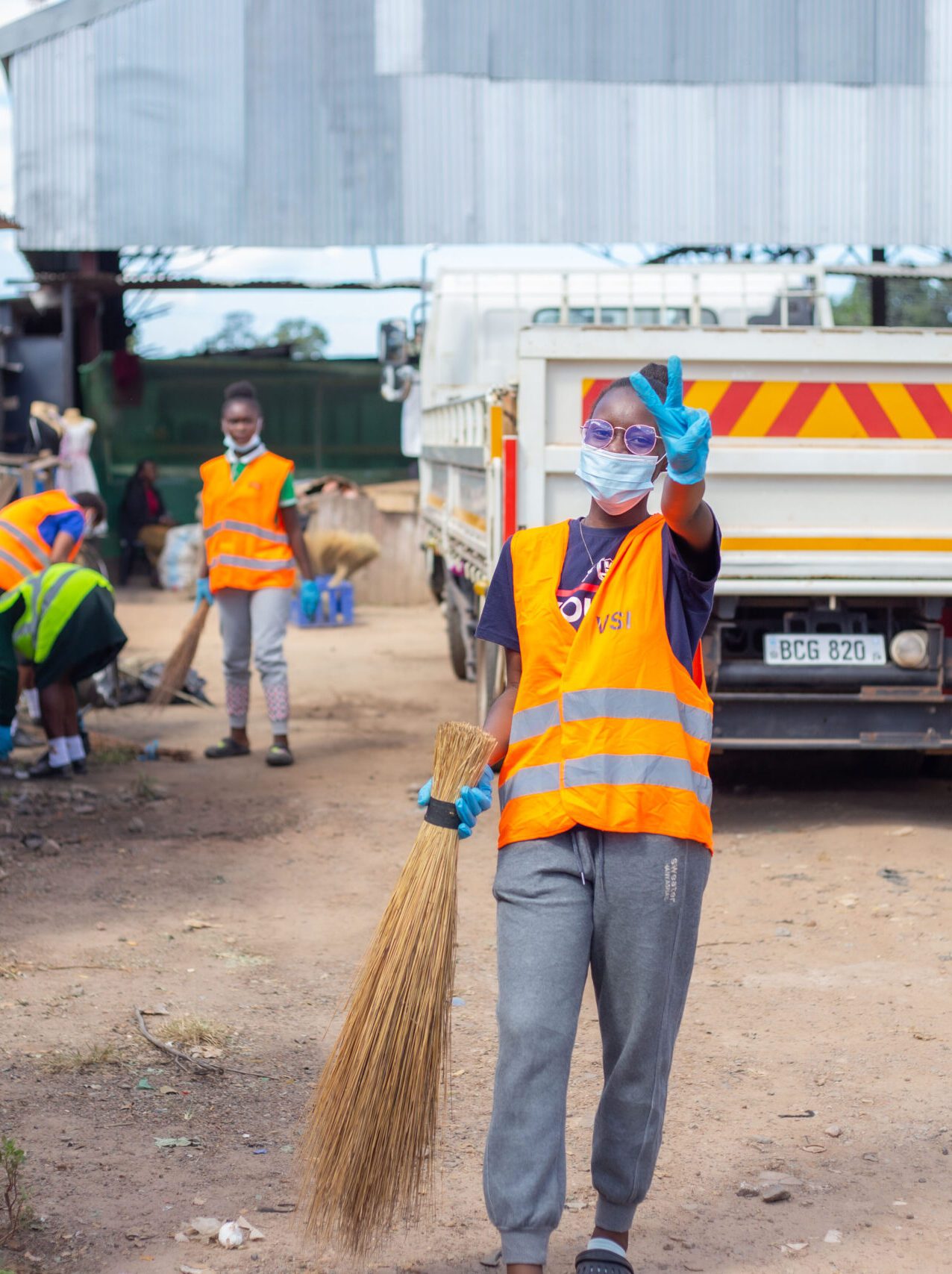
Visionary Students Initiative, Zambia
This Call comes at a time of significant global disruption and deepening inequalities. The United Nations General Assembly’s (UN) decision to declare 2026 as the International Volunteer Year (IVY2026) signals a renewed focus on volunteering as a crucial mechanism for navigating and addressing these challenges.
Yet volunteers’ contributions are too often unrecognized, undervalued and under-resourced. The Covid-19 pandemic shone a spotlight on the power of volunteers, while also exposing gaps in the systems that support them. In humanitarian and conflict settings, the lives of many volunteers are under threat. Elsewhere, many work in unsafe conditions and lack protection.
There is still too little data to fully understand or measure the impact of volunteering. Many national and local systems that support volunteering remain fragmented, with insufficient coordination and limited investment. In many contexts, volunteering still lacks the supportive policies, legal frameworks, and quality standards it needs. Where these do exist, they can be unevenly applied.
From governments and civil society to donors, companies, and volunteers themselves – we all share a responsibility to create the conditions for volunteering to thrive.
This Call to Action represents the collective voices of nearly 14,000 volunteers and stakeholders – including volunteer-involving organizations, national leadership for volunteering organizations, the private sector, funders and governments – from some 164 countries worldwide, gathered in 2025 through surveys, local dialogues, and global discussions. From their perspectives, this call sets out the key actions needed for volunteering to realize its full potential. Read the background and evidence behind this Call →
This Call to Action outlines three action areas: Recognition, Support and Safeguarding. Each has an underlying principle and key actions addressed to specific stakeholders. Across all areas, volunteers themselves play a central role as advocates and partners in driving this agenda forward.
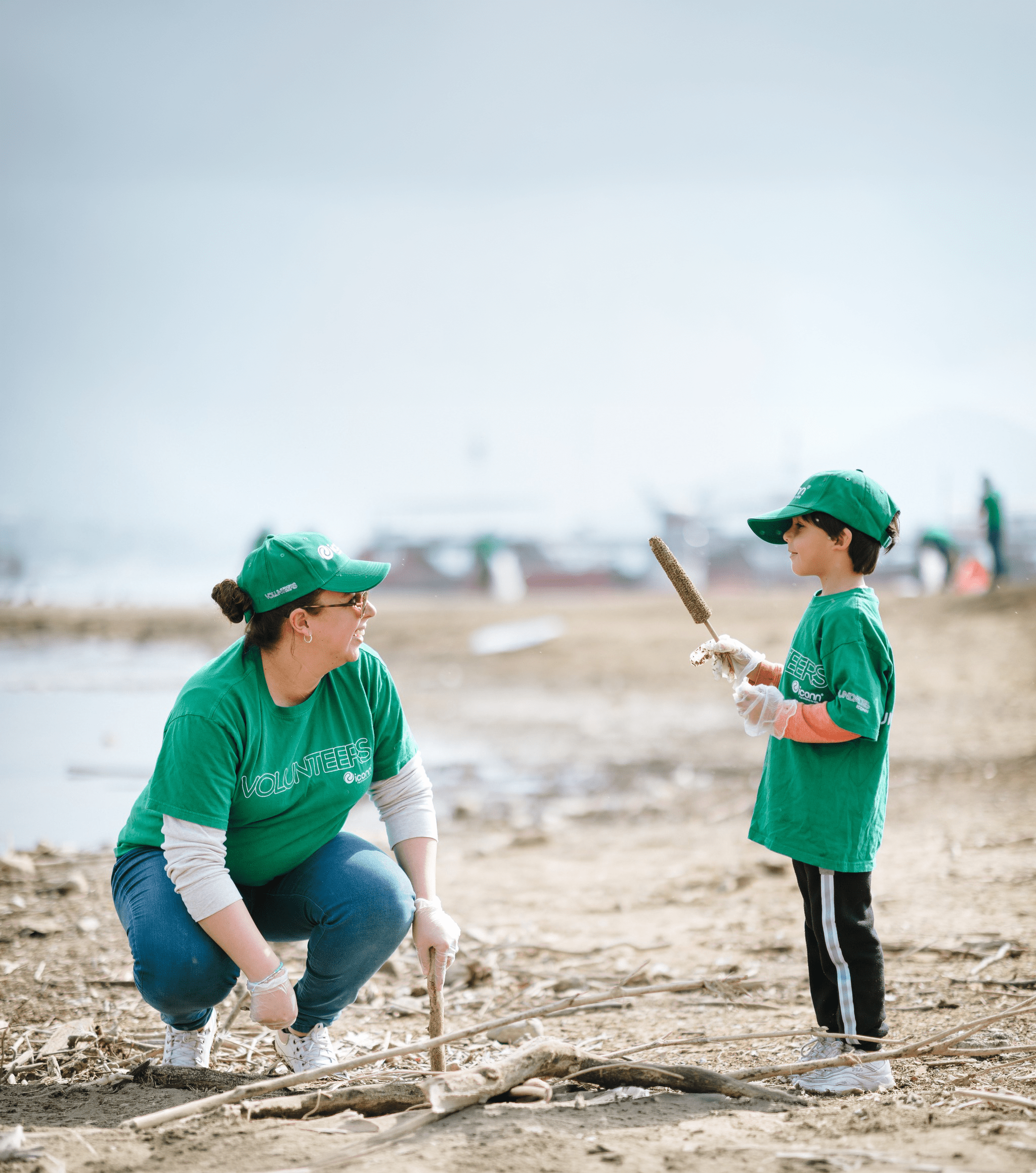
Voluntarios México

Volunteers should be systematically recognized, valued, and celebrated, shifting from symbolic appreciation to systemic recognition through policies, funding, and integration of volunteering into relevant strategies.
Governments, volunteer-involving organizations and other stakeholders publicly celebrate the value and raise the profile of volunteers through a wide range of channels, including through social media, volunteering awards, and other initiatives.
Educational institutions and employers recognize the value and benefit of volunteering to people’s personal and professional development, for example through certification, credits and scholarships.
Governments, volunteer-involving organizations and other stakeholders support quality and relevant research to better understand, measure and communicate the specific contribution of volunteering.
All stakeholders work together to advance a volunteering environment that acknowledges and addresses power imbalances, values diverse local knowledge, leadership and volunteering practices, and promotes volunteering opportunities grounded in mutual exchange and reciprocity in all contexts.
All stakeholders create spaces for volunteers’ meaningful participation in key decision-making processes, such as through consultation, co-production or co-leadership.

Volunteering is not always cost-free, nor does it always happen automatically. It requires an enabling environment to support participation and maximize its impact, while adapting to evolving social and ecological conditions.
Governments, in collaboration with volunteer-involving organizations and volunteers, work together to develop, implement, and update policies and support frameworks that recognize, support and integrate volunteer action, in line with international good practice. This includes volunteering policies and other policies that are relevant to the involvement of volunteers.
Governments and volunteer-involving organizations, with direct contributions from volunteers, work together to ensure that existing legal frameworks and practices reflect the changing modes of volunteering. This includes recognizing and supporting diverse forms of engagement, such as online, short-term, or informal volunteering, and creating more flexible, inclusive opportunities for participation.
Volunteer-involving organizations commit to strengthening professional development, training and support opportunities towards volunteer program development, volunteer management, duty of care, and measuring impact.
All stakeholders ensure that spaces and platforms for collaboration, including with the volunteers themselves, are available to share good practices, lessons and challenges, and establish accountability mechanisms across the volunteering sector.
Volunteer-involving organizations create opportunities for all people, especially marginalized groups, to participate in and benefit from volunteering. This includes establishing inclusive practices across the volunteering journey: from recruitment through participation to exit and re-engagement.
Governments, donors and the private, for-profit sector jointly invest in volunteering: governments to increase core government funding to develop the volunteering infrastructure at both national and local levels; donors and the private for-profit sector to co-finance volunteering initiatives, all within the framework of an ethical and non-exploitative funding model.

It is now more urgent than ever to create safe environments where volunteering can thrive. The safety, rights, well-being and dignity of volunteers, and the people with whom they engage with, across all contexts, are paramount to ensure they contribute without fear of harm or exploitation.
Governments create and promote the safest possible environment for all volunteers, including those engaged in humanitarian, conflict, and post-conflict activities. This means integrating volunteer safety and security into national laws, policies, and support frameworks, in line with international human rights and humanitarian standards. It includes ensuring accountability by holding the perpetrators of crimes against volunteers responsible, within adequate legal and judicial mechanisms.
Volunteer-involving organizations safeguard the rights and wellbeing of volunteers and the people with whom they work, ensuring they are supported, not exploited, including establishing and monitoring codes of conduct and good practice frameworks, such as preventing the mis-engagement of volunteers as unpaid substitutes for paid staff.
Volunteering connects people across differences and drives collective action for a more just and sustainable world. Realizing its full potential requires shared commitment – from governments, civil society, the private sector, and volunteers themselves.
The global organizations involved in facilitating leadership to create this Call to Action – IAVE (International Association for Volunteer Effort), Global Volunteering Forum, IFRC (International Federation of the Red Cross and Red Crescent Societies), UNICEF Generation Unlimited and Volunteer Groups Alliance – will continue to be involved with it during IVY 2026 and beyond.
Resources will be developed to support individuals and organizations to respond to the Call to Action and take forward the commitments. This has always been about a collective effort and there are actions that we all can take now to not only maintain but build momentum to deliver the Call to Action and enable volunteering to flourish.
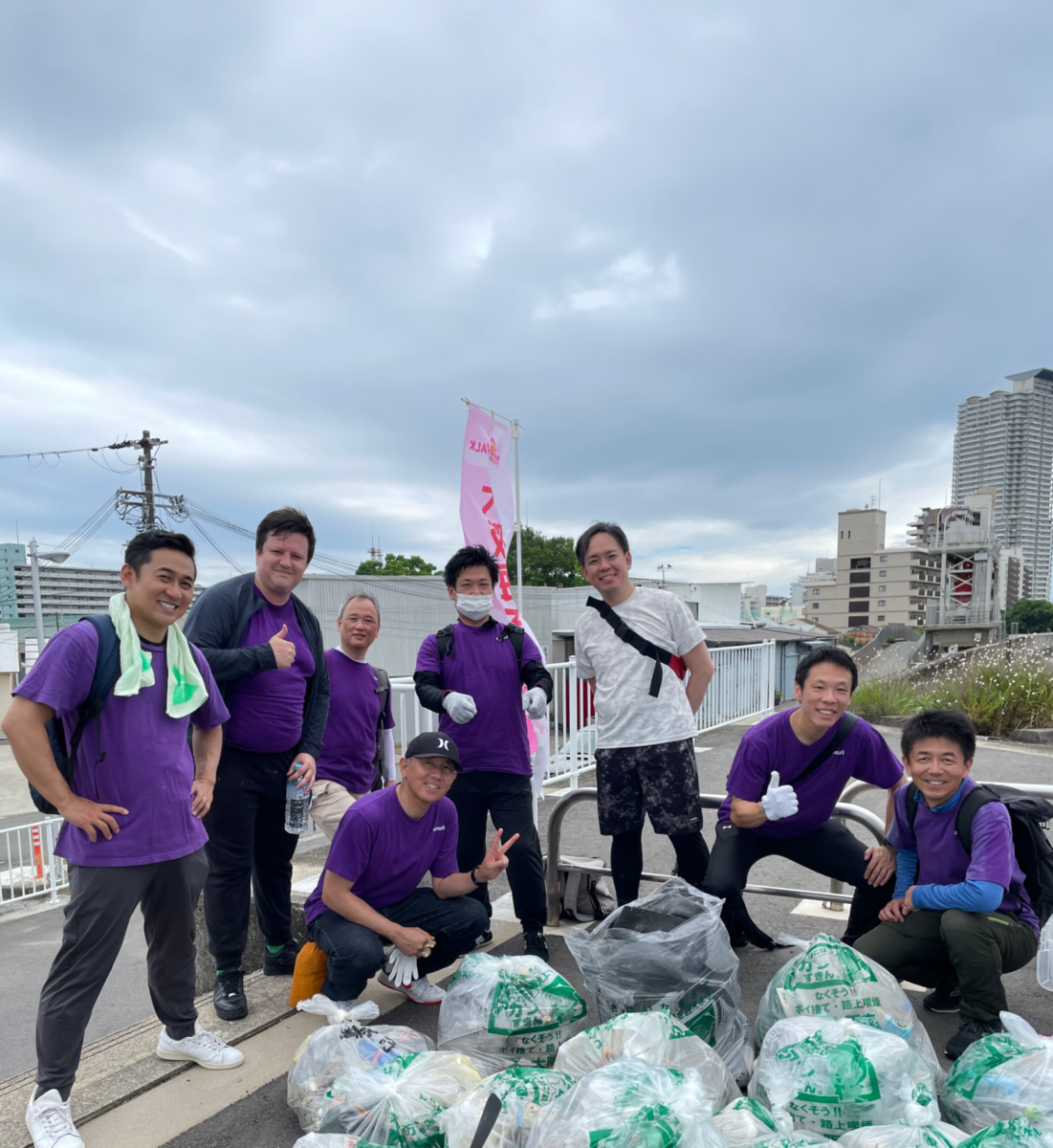
Sanofi, Japan
Atados, Brazil